Teething: The Bones We Chew On
on biting the hands that feed us, make us, mold us...

I love my parents.
I love my parents.
I love my parents.
I repeat this mantra when I don’t particularly feel the love I claim to have and when I realize their actions/inactions and words have hurt me, because it is the truth. We all know that lies are sometimes easier to believe than the truth, which is why I must constantly work to remember the truth.
I shy away from writing a lot about my parents because, like many, there’s always that complicated love-hate relationship that we must hold within us. Add the Nigerian culture of respecting elders and submitting to them always, and not airing out our family secrets or telling them off. We definitely never have chances to smooth out the kinks properly. As a result, we children will almost always need an outlet or escape to relieve ourselves and function normally.
I came across this quote recently, and it has not left my mind since.
Parents are the bones on which children cut their teeth.
Peter Ustinov
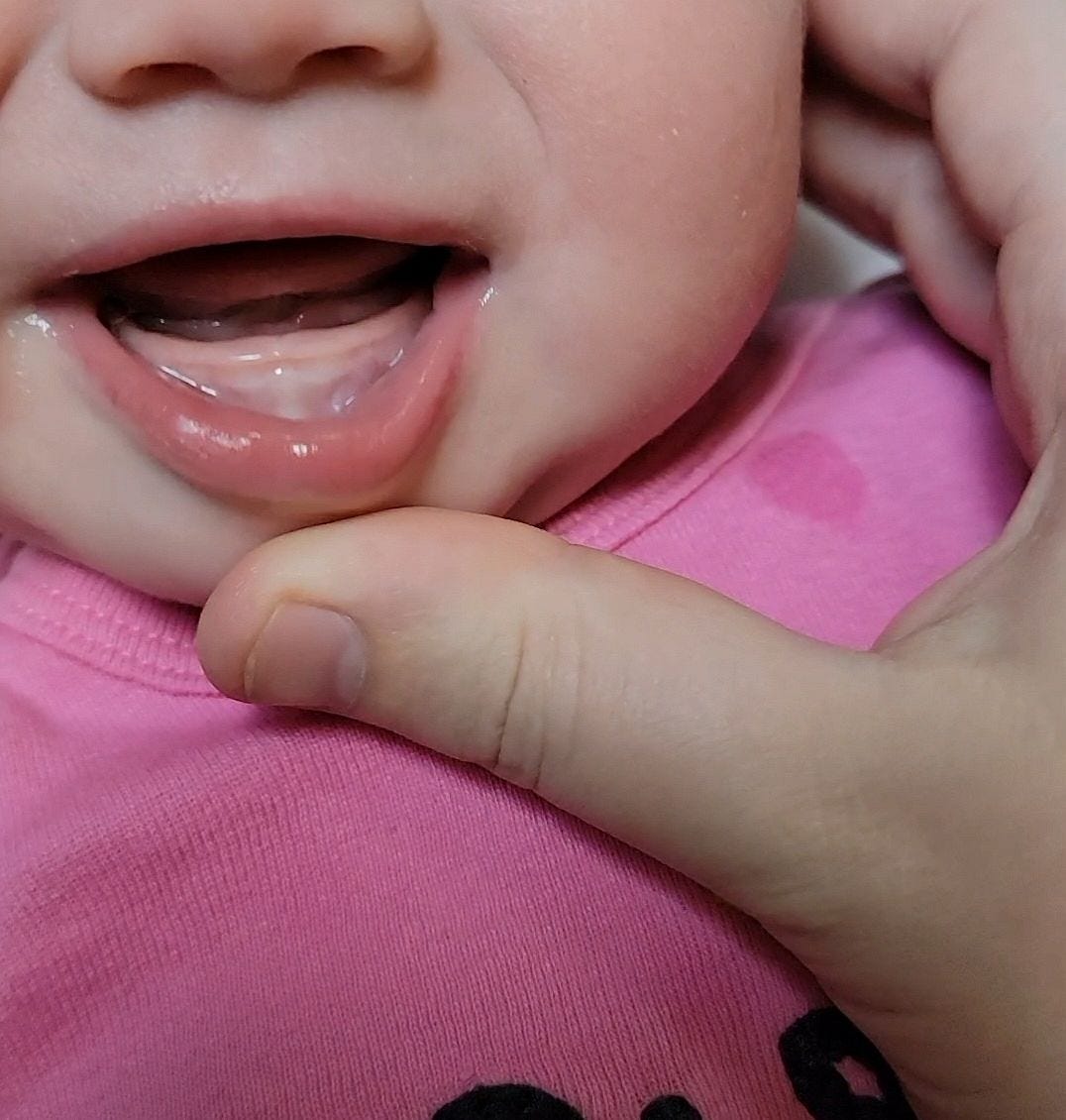
My God! What a bittersweet truth!
Our parents, amongst other things, help us as we start teething to not hurt ourselves and, in a sense, to literally help our teeth grow properly. How, you may ask? By giving us something to chew on! And when there’s nothing, they offer themselves! That has to be the most uncomfortable thing. Imagine trying to pacify a baby, and the only thing that seems to work is your hand? Lol. I could actually never. We literally bite the hands that made us, feed us, and end up molding us.
There is a terrifying intimacy in the way Peter Ustinov put it: “Parents are the bones on which children cut their teeth.” I read that quote and thought only of violence. I thought of the sharp, desperate ache of a teething infant, crying out in the middle of the night, needing something hard and unyielding to press against its bleeding gums just to feel relief. But the older I get and the more I look at the beautiful, fractured ecosystem of my own home, the more I realize it isn’t about violence only. It is about survival. It is about how we use the people who made us to figure out how to bite back at the world.
So bittersweet… Even when we outgrow the physical teething stage and have our brand new teeth ready to go. We never stop teething. Psychologically, we are always sharpening our teeth with the people who birthed us, our first taste of whatever the world has for us.
Growing up in a Nigerian/African household most times means understanding, very early on, that love is rarely soft. It is dense. It is heavy, like iron, and it often arrives wrapped in a sharp tongue, an impossible standard, or a sudden, deafening silence. In a dysfunctional family, you learn to navigate the weather of the house before you even learn to navigate your own emotions. You know which footsteps in the hallway mean peace and which ones mean it’s time to retreat. You learn the geometry of arguments that stretch across rooms, fueled by generational weight, pride, and the crushing pressure of trying to survive in a world that gives your parents no grace.
And yet, the dysfunction never quite managed to kill the love. That is the confusing, agonizing beauty of it. Our homes are a place where a storm could rip through the living room at 6:00 PM, leaving everyone emotionally bruised, only for soup or a steaming bowl of rice to be placed in front of you at 8:00 PM. No apologies—because Nigerian parents rarely say “I’m sorry”—but a fierce, unspoken declaration: I am furious, I am broken, but I will never let you go hungry.
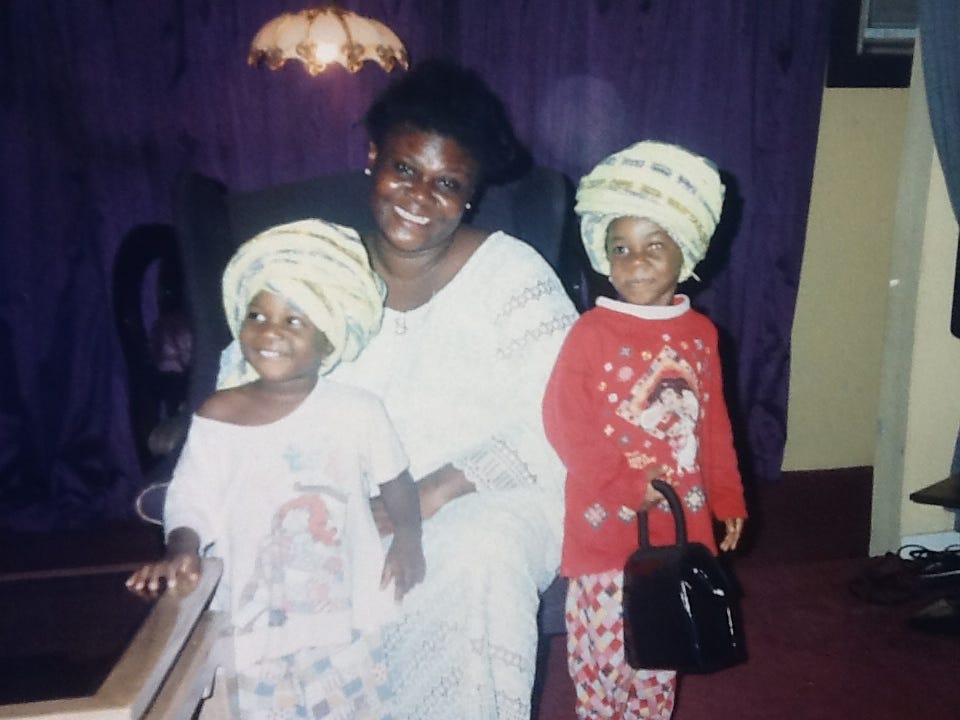
To cut your teeth on your parents means that you grow your edges by rubbing against theirs. As a Nigerian child, you are often carrying the unfulfilled dreams, the silent traumas, and survival anxieties of the generation before you. When they push, you push back. You test your voice against their authority. You test your boundaries against their expectations. It is painful, friction-heavy work. There are days you leave the interaction bleeding, wondering why love has to feel like a wrestling match.
The very flaws of my family—the outbursts, the miscommunications, the stubborn refusal to bend—become the grinding stone for my own resilience. By watching them navigate their chaos, I’m learning what to hold onto and what to let go of. I’m learning how to speak up because silence in our house means getting swallowed and building resentment. I’m learning how to love fiercely because I see that love can survive even when the structure housing it is cracked.
They gave us their bones. They worked jobs that drained their spirits; they tried to deal with insecurities that made them settle for less; they swallowed their pride in spaces that refused to recognize their dignity; and they poured their marrow into our future. And if, in the process of surviving, they became hardened, can we really blame them? If their edges were too sharp for our soft, modern sensibilities, it is only because they needed those sharp edges to cut a path through the wilderness for us. This is not to say the very real damage/hurt they cause is justified, because, unfortunately, two truths can coexist, however unequal they may be.
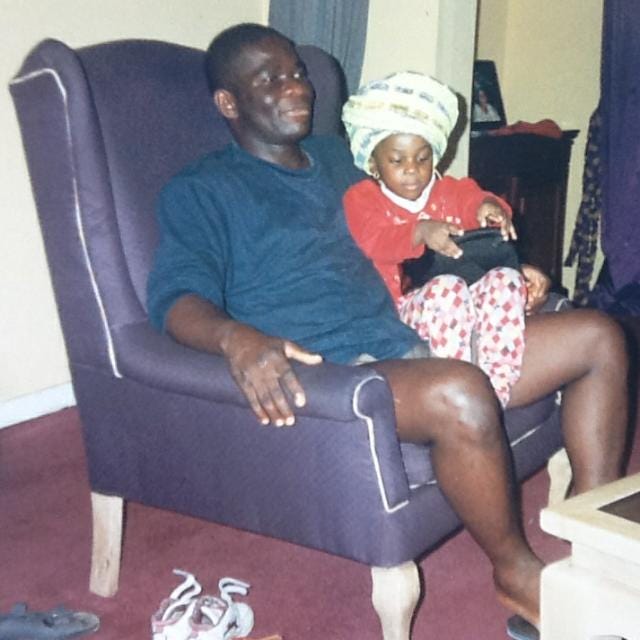
I used to wish for a quiet family. A textbook, soft-spoken, predictable family. But as I stand in the reality of my adulthood, looking at the teeth I have grown. My discernment, my fierce loyalty, my ability to find joy in the middle of nothing, I realize I couldn’t have grown them anywhere else.
We are a broken people, beautifully put together. We are a collection of loud laughter, deep-seated grievances, late-night prayers, inside jokes, and intense devotion and love that doesn’t make sense but just is.
My parents were not perfect. The skeleton of our family structure has its fair share of fractures. But they stood. When the wind blew, when the economy crashed, businesses collapsed, and when the grief of losing home or what they thought it should have been struck, they stood (separately, which was actually for the best). They remained the hard, unyielding truth we could press our anxieties against.
We cut our teeth on their sacrifices. We grew strong from their stubbornness. And now, because they let us use their bones to grow our jaws, we finally have the strength to bite into the world, stand on our own two feet, and speak our own truths.
Thank you for reading Anu Unraveling. If this resonated with you, feel free to share it with someone who understands the complex, beautiful weight of family. 💟💟💟
with love
Your Unraveler
Anu❤️
I really loved reading this ♥️♥️